In Great Falls, you need roofing built for harsh UV rays, powerful gusts, substantial snowfall, and temperature fluctuations. Metal roofing often outperforms asphalt by preventing impact, fire, uplift, and weather degradation, while shedding snow more efficiently. You should watch for broken shingles, flashing gaps, water intrusion, missing granules, or sagging areas after storms. A qualified local roofer will inspect decking, underlayment, and ventilation, and storm damage, then advise repair or replacement based on durability and performance.
Main Highlights
- Your Great Falls roof must withstand harsh UV rays, strong wind, substantial snowfall, and freeze-thaw cycles that accelerate leaks plus component degradation.
- Metal roofs function for between 40 and 70 years, withstand wind forces, fire, and impact damage superior to traditional asphalt, and move snow readily.
- Asphalt shingles price less initially but often decline faster, with curling, cracking, plus granule loss in Great Falls conditions.
- Warning signs feature broken shingles, flashing gaps, rusted valleys, discolored ceiling, condensation buildup, and weather damage across different roof slopes.
- Great Falls roofing professionals supply inspections, leak diagnostics, storm repairs, emergency tarping, plus professional metal roof installation including appropriate underlayment and flashing.
The Way Great Falls Seasonal Patterns Affects Your Roof
Since Great Falls gets powerful UV rays, high winds, hail damage, heavy snow, and rapid temperature swings, your roof system manages constant pressure that may shorten operational life. UV exposure dehydrates roofing materials, damages seals, and accelerates wear. Strong wind separates margins, drives moisture into vulnerable joints, and displaces roof flashing around penetrations.
Heavy snow adds stress, with ice dams hold back liquid along eaves and increase risk of leaks. Repeated freeze thaw cycles widen hairline cracks, divide joints, and damage the underlayment. Hailstones mark the surface, break protective coatings, and expose substrate materials to water penetration. You additionally deal with microclimate influences: southern exposures heat more quickly, shaded regions remain moist longer periods, and windward areas weather faster more severely. Frequent inspections allow you identify weather damage soon, safeguard water drainage
Metal Roofing versus Shingles in Great Falls
If you evaluate metal roofing against conventional shingles in Great Falls, the decision frequently centers on climate durability, lifespan, care requirements, and long-term cost. Metal roofing withstand impact, fire, and wind more effectively than shingles, and they generally endure 40 to 70 years rather than 15 to 30.
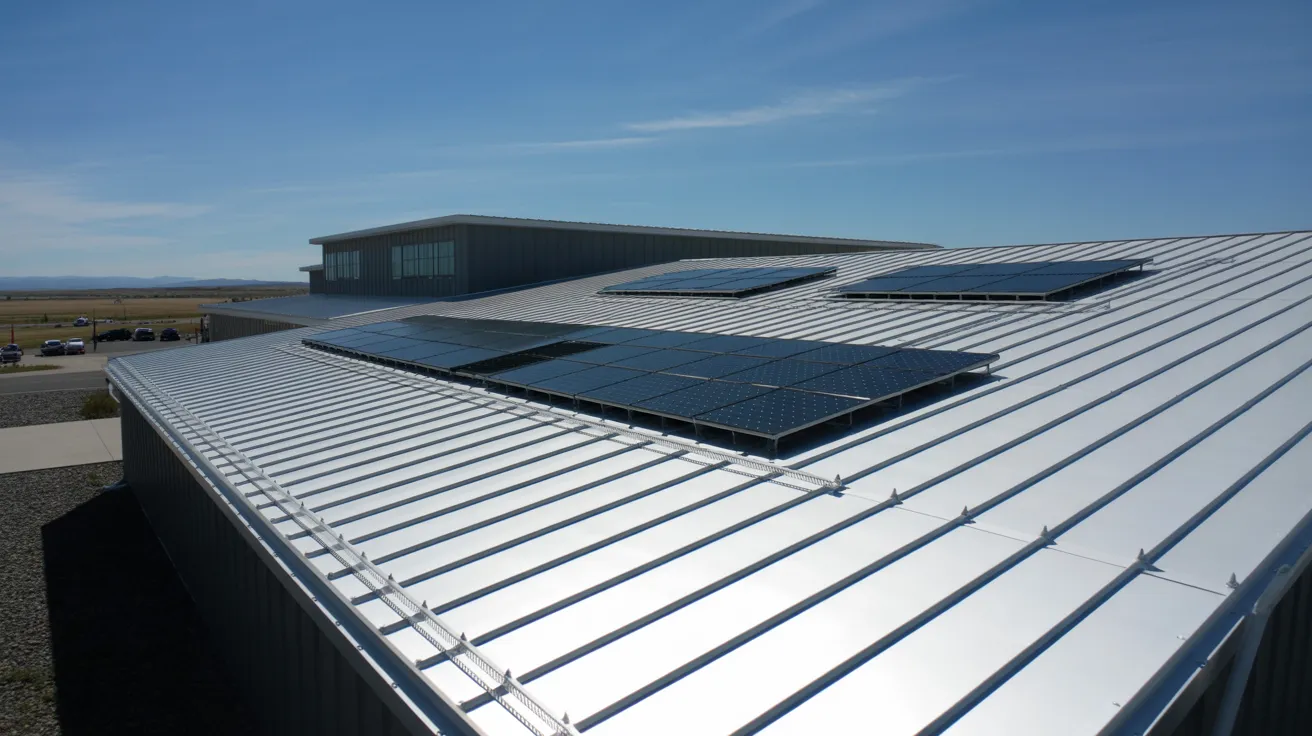
In most cases, you'll commit more in the beginning for metal materials, however you may replace it less regularly and complete fewer maintenance needs. Typical shingles cost less initially and supply straightforward repair work, despite the possibility that they can become curled, crack, or lose protective granules at a faster rate. Metal materials supports effective snow drainage, which may lower snow collection when suitably installed with guard rails. Should you be thinking about solar system installation, metal roofing materials typically delivers straightforward installation alternatives and minimal roof openings. Your optimal choice depends upon your financial resources, how many years you plan to stay, and your comfort with maintaining it
Why Metal Roofing Is Effective in Montana
Constructed for temperature changes, high-speed winds, heavy precipitation, and strong UV rays, metal roof systems operates effectively in Montana's tough climate. You benefit from a system that resists thermal movement, efficiently sheds moisture, and maintains building strength through freeze-thaw phases. Overlapping panels, hidden fasteners, and premium coatings reduce uplift, corrosion, and sun damage.
Additionally, you benefit from efficient snow shedding, which minimizes snow weight on the roof and safeguards framing. Because metal roofing reflects sunlight, it can moderate heat buildup in the attic during hot, dry summers. Its low water absorption ensures performance during ice and snow events. Metal longevity is important in Montana, where constant weather exposure may reduce the lifespan of inferior roofing options. By utilizing correct underlayment, adequate ventilation, and expert installation, the roof stays durable, energy-efficient, and serviceable for decades with minimal maintenance overall.
Clues Your Roof Needs Repair
Catching roofing issues in time stops structural failure, interior flooding, and bigger replacement costs. Look for shingle breaks, lifted flashing, exposed hardware, rust spots in valleys, and broken sealant at vents, skylights, and chimneys. Upstairs, be alert to staining on walls, saturated insulation, mildew, or visible sky through roof decking.
When storms pass, watch for dents from impact, shifted sections, and missing granules in gutters. Loss of granule particles supports detection of weakened asphalt sections before moisture breaches the underlying layer. Insufficient ventilation in the attic causes signals of trouble: too much heat, frost formation, water vapor, and shingles curling early. Should your power bills spike unexpectedly, excess humidity and heat could be compromising the roof.
Schedule repairs if you see drooping areas, persistent leaks, or unsecured fasteners. Quick action preserves decking, insulation, and interior finishes.
Reasons Why Roof Replacement Makes More Sense
Consider replacing your roof when severe weather affects large sections, damages structural components, or exceeds reasonable repair costs. If you're constantly paying on repeated leaks, failed patches, or repeated service calls, replacement often provides better long-term value. An aging roof system at or past its design life is unable to effectively protect your property, despite individual repairs can appear possible.
Extensive Weather Damage
When a major storm damages extensive areas of your roof, a full replacement often makes more financial and structural sense than multiple repairs. After hail damage, wind damage, or branch punctures, you may have damaged decking, wet underlayment, and widespread shingle failure that repairs cannot effectively isolate.
You need a system-level evaluation, not patchwork. Storm forces often break seals, weaken fasteners, and form hidden moisture routes near valleys, vents, and flashing. Even after debris removal, standing water may continue degrading sheathing and insulation underneath. If deterioration affects multiple slopes or exposes the roof assembly, new installation provides uniform protection, regulatory compliance, and warranty-backed performance. It additionally allows you upgrade underlayment, ventilation, and impact-resistant materials so your next severe storm doesn't exploit the same vulnerabilities again.
Recurring Repair Expenses
Frequently, recurring leak repairs, shingle replacements, and flashing repairs cost more over time than a planned roof replacement. When you're requesting maintenance every season, you're probably caught in spending cycles that drain your budget without addressing deck, ventilation, or underlayment problems. Small patch jobs can restore temporary function, though they rarely provide comprehensive performance.
You need to compare annual repair totals versus replacement pricing, labor escalation, and material matching problems. Repeated fixes additionally generate coverage gaps, especially when several contractors handle separate sections or incompatible products. Those gaps can leave you covering costs yourself if new problems emerge around earlier repairs. A complete replacement gives you one integrated assembly, consistent installation quality, and a cleaner maintenance schedule. In many cases, that refresh lowers long-term roofing costs and reduces operational disruption markedly.
Aging Roof Systems
When roofing assemblies age
Replacement represents a better option when inspections identify roof deck moisture, extensive granule erosion, insulation damage, or inadequate ventilation that intensifies thermal stress. Consider additionally code compliance requirements, fastening strength, and material compatibility regarding contemporary materials. Complete replacement allows you to fix concealed defects, enhance water drainage, and install a configuration suitable for contemporary demands. Greater upfront expenditure is needed, yet emergency repairs reduce, interior water damage minimizes, and long-term cost savings materialize.
Great Falls Roofers' Storm Damage Response
Because intense storms can compromise a roofing system in moments, Great Falls roofing professionals start storm-damage work with a fast, systematic inspection of roofing components, fasteners, layers, read this article roof deck, and metal surfaces to locate both obvious damage and concealed moisture paths.
Post-storm evaluation results, you obtain thorough documentation of deterioration scope, water damage extent, and safety risks. Upon completing storm assessment, detailed records of deterioration, moisture damage, and safety hazards are delivered. Clearing debris occurs initially stopping continued surface damage and allowing drainage to function. Exposed areas get tarped, punctures are fixed, lifted covering is reinstalled, flashing gets secured, and fastener strength in metal areas is examined. If the deck absorbed water, moisture testing, delamination review, and mold risk evaluation comes before repair authorization. Photo documentation and measurement data help insurance claims and support focus on urgent protective measures ahead of cosmetic improvements.
Metal Roof Installation Process
Commencing with roof removal and concluding with trim installation, metal roofing setup maintains essential ordering to protect structures and maintain system performance. Old roofing elimination comes first, structural review takes place, and deteriorated sections are replaced. Pitch verification, measurement confirmation, ventilation path validation, and fastener location confirmation follows for proper alignment.
Then you install edge metal, ice and water shield, and choose underlayment options based on environmental conditions, slope, and regulatory standards. You lay panels from a square starting point, fasteners or fastening devices to meet manufacturer spacing. For standing seam configurations, you lock vertical legs and keep seams straight to control water movement and thermal expansion. Lastly, penetrations are sealed, ridge and trim are installed, transition points are sealed, and final cleanup with quality check to confirm weather-tightness and appearance.
Services Great Falls roof Experts Present
Whether you require a routine repair or a new roof installation, Great Falls roofing experts typically handle evaluations, leak detection, weather damage repairs, reroofing, new roof installation, and routine maintenance for both both residential and business properties.
Further services you can hire them for include flashing repairs, ventilation fixes, gutter setup, skylight sealing work, and ice dam prevention. Should wind or hail affect structural decking, they shall conduct emergency tarping to minimize water intrusion prior to permanent repairs begin. Regarding mature systems, they evaluate underlayment condition, fasteners, roof openings, and drainage paths, then recommend specific repairs or total replacement as warranted. Most crews work on asphalt shingles, standing seam metal, membrane systems, and coating applications. They can photograph injuries for insurance claims and organize seasonal inspections to detect sealant failure, rust, panel movement, and clogged roof valleys before problems diminish your roof's service life.
How to Find Your Great Falls Roofing Professional
When you hire a Great Falls roofing contractor, initially ensure that they're properly qualified and carry active liability and workers' compensation insurance. Next, assess the roofing materials they suggest so you can align product performance, durability, and expense to your roofing project. You should also review their experience in the area, because professionals who comprehend Great Falls climate conditions and building codes typically deliver better results.
Verify Licensing And Insurance
Before finalizing any contract in Great Falls, check that the contractor holds requisite Montana state license and has both general liability and workers' compensation insurance. Don't rely on oral assurances. Request their license identification, business title, and insurance information, then complete verification through state registration records and local records. Verify the company name on each record.
For insurance verification, inquire that current documentation provided directly from the insurance copyright or insurance agent. Verify policy numbers, dates of coverage, policy limits, and exclusion limitations. Verify that workers' compensation insurance provides coverage for every crew member at the property. When a roofing professional employs sub-contractors, demand evidence they are insured also. Appropriate insurance coverage and licensure safeguard you against legal liability, building code violations, unpaid claims, and project delays. Should records does not match, move on immediately.
Evaluate roofing options
With Great Falls roofs subjected to hail, high winds, snow load, and sharp temperature swings, you must compare materials across durability, lifespan, upkeep requirements, and overall installation expenses—rather than focusing on the bid price alone.
Asphalt shingles tend to provide the cheapest installation fee, still impact ratings, wind warranties, and granule deterioration matter. Metal carries higher initial expenses, yet it sloughs off snow, combats fire, and delivers better thermal performance by way of reflective coatings. Synthetic slate and composite shingles trim weight while enhancing impact durability, notwithstanding product quality varies. Solicit manufacturer information on Class 4 impact ratings, wind uplift measures, ice dam prevention, and anticipated longevity. You should review underlayment systems, ventilation compatibility, fastening specifications, and repair accessibility. A affordable roof grows costly later if it fails prematurely or needs regular storm-related upkeep and renewal.
Review local track record
Material choice matters, though the roofer's area track record often determines how well that installation works in Great Falls. You need to verify how many years a contractor has worked in the area and whether they managed hail, snow load, chinook winds, and freeze-thaw cycles on like properties. Local history demonstrates if crews possess ventilation, ice dam prevention, flashing details, and code requirements specific to Cascade County.
Obtain locations from recent projects, then assess construction quality from ground level. Look at Contractor testimonials for recurring themes: responsiveness, site conditions, warranty handling, and quote fidelity. You should confirm material vendor networks and permit familiarity, given that seasoned regional contractors source materials without delay and resolve inspections with fewer delays. A contractor who has proven Great Falls experience lessens installation hazards and strengthens roof longevity for your property.
Popular Client Questions
Are local Roofers able to Offer payment options for replacement installations?
Yes, several Great Falls contractors provide financing options for roof replacements. You can often select payment plans from the contractor or an outside lender. anticipate conditions based on project cost, loan length, and your credit profile. Most providers require credit verification before approval, and some provide special offers for eligible applicants. You need to compare APR, fees, down payment requirements, and prepayment terms before signing any roof financing contract.
Do roofing estimates in Great Falls generally cost nothing?
Yes, roofing estimates in Great Falls are generally at no cost, especially when contractors deliver free inspections for repairs or replacements. You should expect a documented estimate that breaks down materials, labor, timeline, and cost breakdowns. Some companies may bill for detailed reports, specialty diagnostics, or insurance documentation. Before you schedule, find out what the estimate covers, whether inspections are complimentary, and if additional fees apply to complex roof conditions or access.
What is the typical duration of roofing warranties in Great Falls?
Like a protective shield for your roof, warranties in Great Falls usually last 20–50 years for Manufacturer warranties, depending on material and product tier. You'll often get Labor warranties for 2–10 years, though some contractors provide longer coverage. You should check what's prorated, transferable, and excluded, especially for wind, ventilation, and installation errors. Check the fine print so you realize exactly what protection you're actually getting before signing.
Can roof work be scheduled during winter in Great Falls?
Yes, you can plan roof work during winter in Great Falls, but you'll require weather-based scheduling. You can accomplish Winter repairs securely when teams oversee temperature, wind, ice, and supply handling limits. You should plan on delays during storms or extreme cold. Snow removal often comes first so professionals can access decking, pinpoint leaks, and attach flashing. You'll receive better results when you book early and be flexible with scheduling windows.
Can Great Falls roofing companies help with insurance paperwork?
Yes, many roofing firms in Great Falls aid you with insurance forms after impact damage or storms. You'll often get insurance assistance through documented inspections, photographic evidence, scope summaries, and estimate comparisons. They may also assist claim coordination by conferring with adjusters, explaining repair quantities, and matching line items to policy coverage. You should still review your claim carefully, because your insurance copyright determines payment terms, depreciation, deductibles, and final settlement amounts.
Closing Remarks
In Great Falls, your roof structure has to handle wind, snow, hail, and rapid temperature changes without failing. That's why selecting the roofing contractor matters. Metal roofing systems stands out because it can endure 40–70 years—often 2 to 3 times longer than standard asphalt shingles. When you take action early on repair or replacement, you defend your home, minimize ongoing costs, and improve performance. Work with Great Falls roofing professionals who know local climate and place systems constructed to persist.